Celebrating Medical Fitness Week - September 14th-20th
Medical Fitness Week is almost upon us. Typically celebrated in the spring, this annual observation had been postponed this year due to the COVID-19 pandemic until September. As many of us may have been less active this past summer because of added restrictions, Medical Fitness Week is the perfect time to get up and get moving!
Read more: Celebrating Medical Fitness Week - September 14th-20th
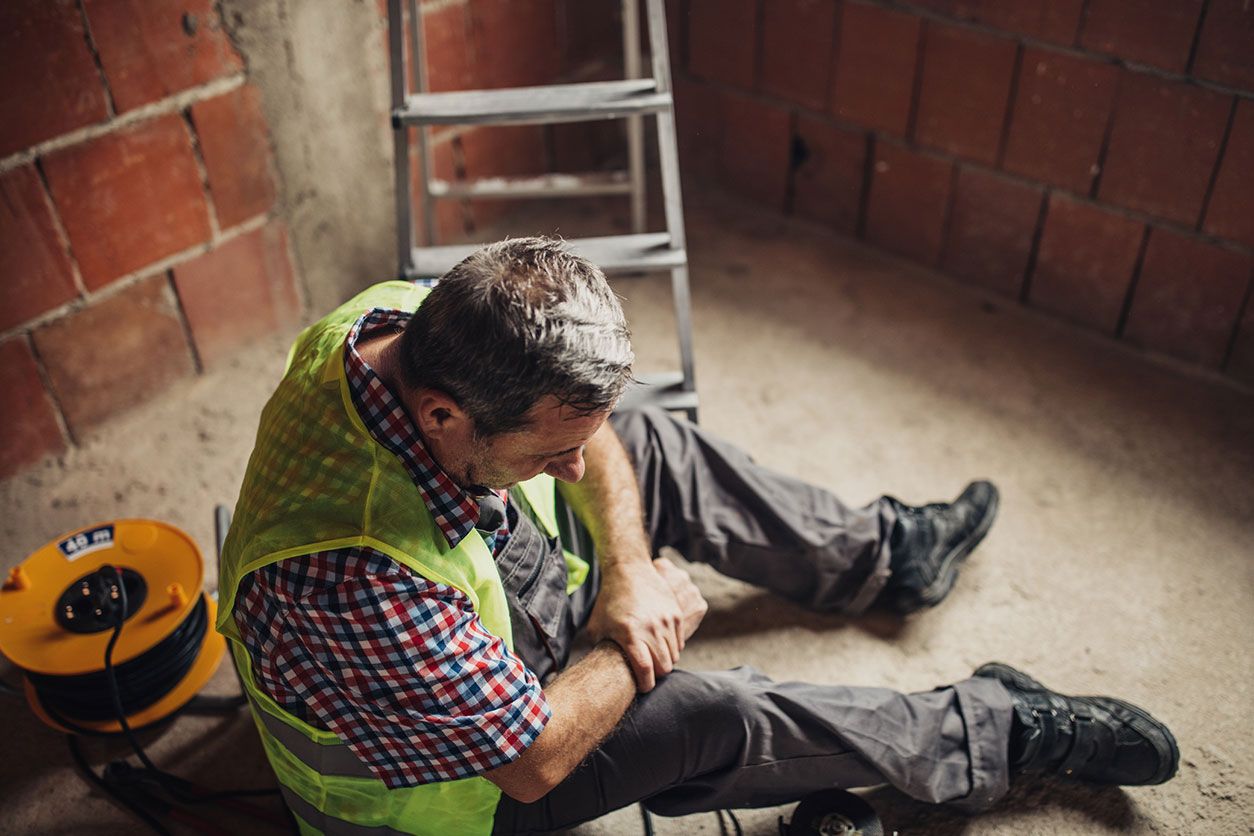
Hurt on the Job? Orthopaedic Immediate Care is the Solution
If you have sustained an acute workplace injury, MidAmerica’s Orthopaedic Immediate Care is not just a service, but a solution. When you value fast, yet quality treatment with a direct to specialist approach, orthopaedic immediate care is the answer.
Read more: Hurt on the Job? Orthopaedic Immediate Care is the Solution
Benefits of Comprehensive Care for Work-Related Injuries
Work-related injuries can be particularly taxing for both employers and employees but receiving comprehensive care can make all the difference.
Read more: Benefits of Comprehensive Care for Work-Related Injuries
Direct to Specialist Care Saves Roughly 60% on Workers' Comp Claims
As an employer, it’s necessary to consider the best plan of approach when it comes to workplace injuries and workers’ compensation claims. Where you send your employees when an injury occurs on the job can have a significant impact on the final cost of a claim. A direct to specialist approach can help to substantially offset the overall costs of workers’ compensation claims.
Read more: Direct to Specialist Care Saves Roughly 60% on Workers' Comp Claims
Why Your Child Under 21 Should See a Pediatric Orthopaedic Specialist
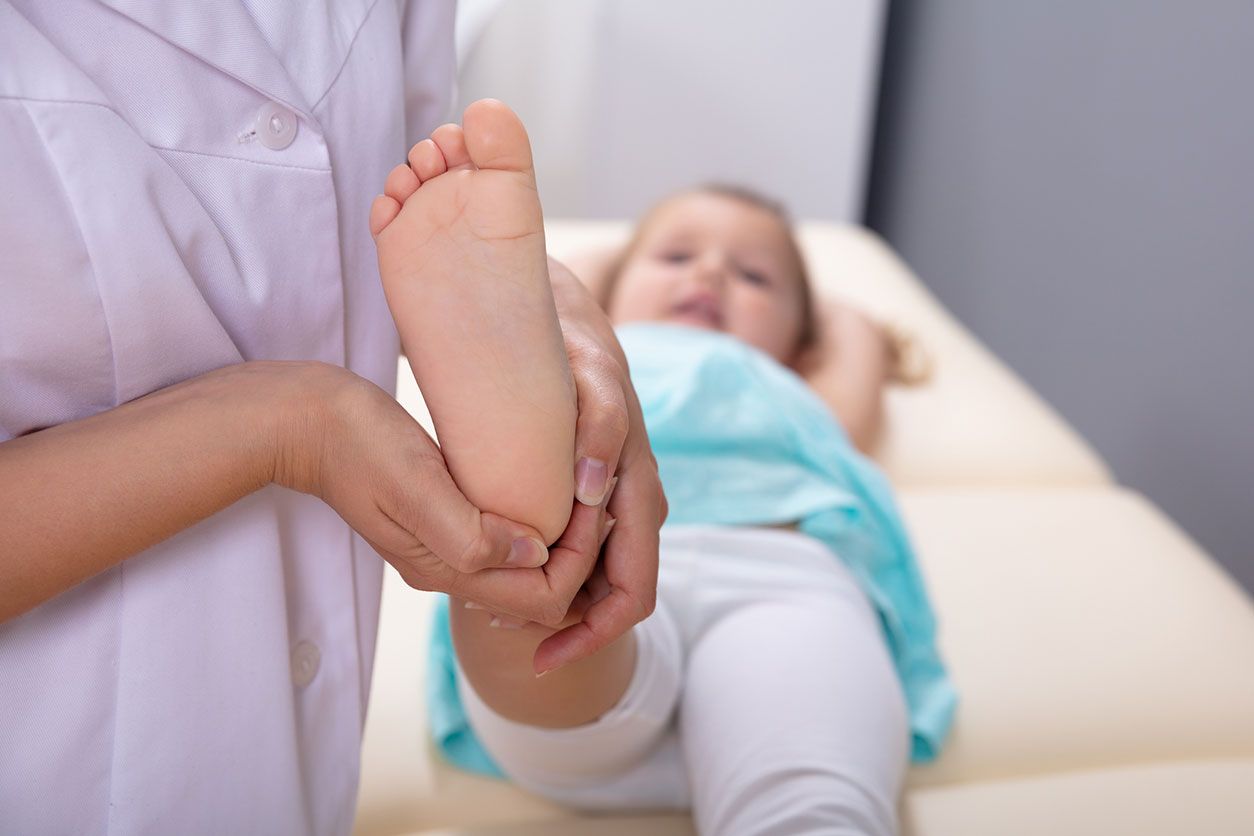
A growing child’s or young adult’s body doesn’t work exactly the same as an adult’s body does. That’s why there are doctors and specialists trained specifically to work with children. When your child at or under the age of 21 suffers from an orthopaedic condition or injury, it’s best to take them to see a pediatric orthopaedic specialist.
Read more: Why Your Child Under 21 Should See a Pediatric Orthopaedic Specialist
Common Summer Pediatric Injuries
With summer now in full swing, kids are likely to be outside playing more often and this means one thing: a higher chance of pediatric injuries. Learn about the most common summer pediatric orthopaedic injuries, all of which we see here at MidAmerica Orthopaedics.
Long summer days are a child’s favorite time of year. No school, warm weather, and time for making memories and constant play. But with all that excess daylight and energy to burn, comes a greater potential for getting injured.
Read more: Common Summer Pediatric Injuries
Recognizing Juvenile Arthritis Awareness Month
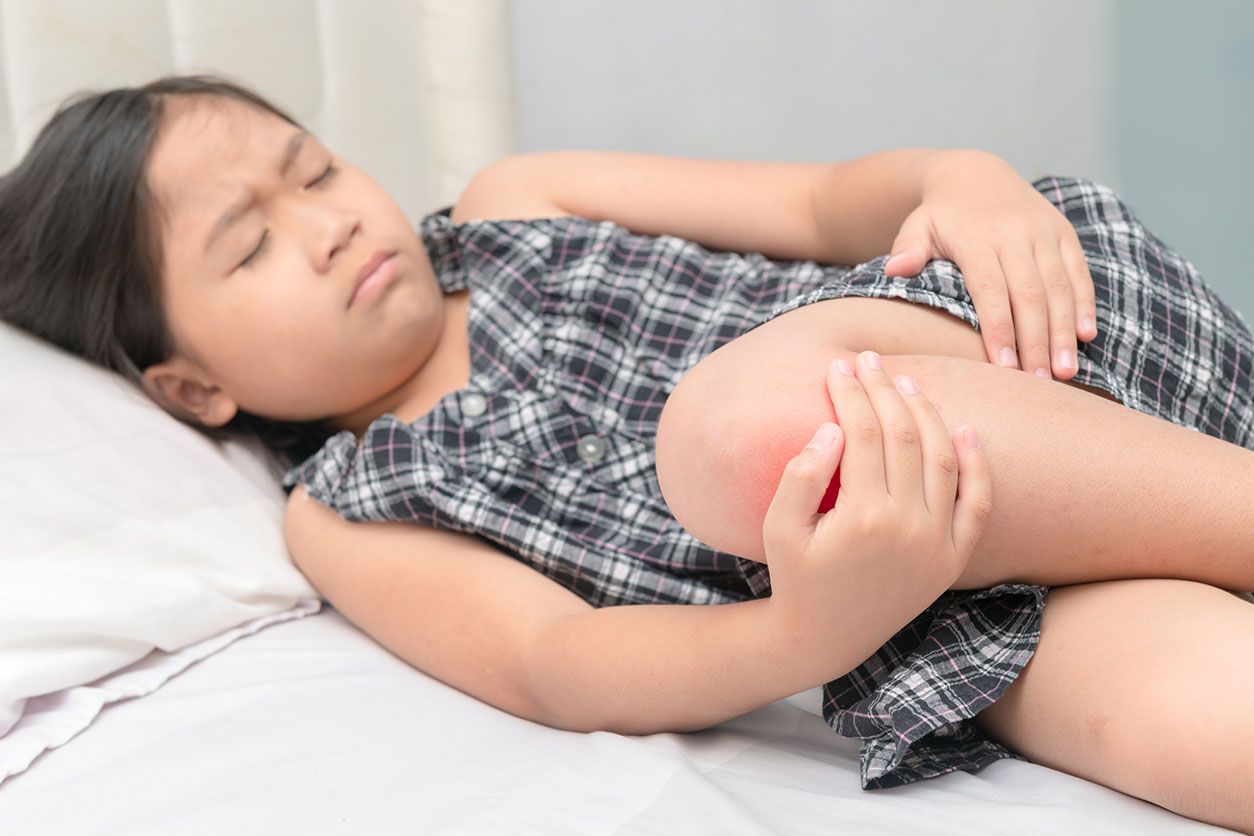
July is Juvenile Arthritis Awareness Month and MidAmerica Orthopaedics wants to help raise awareness for this ongoing battle. The more people know about Juvenile Arthritis, the greater the chance of detecting early signs and symptoms to get children the treatment they need faster.
Read more: Recognizing Juvenile Arthritis Awareness Month
The Benefits of Occupation-Based Hand Therapy
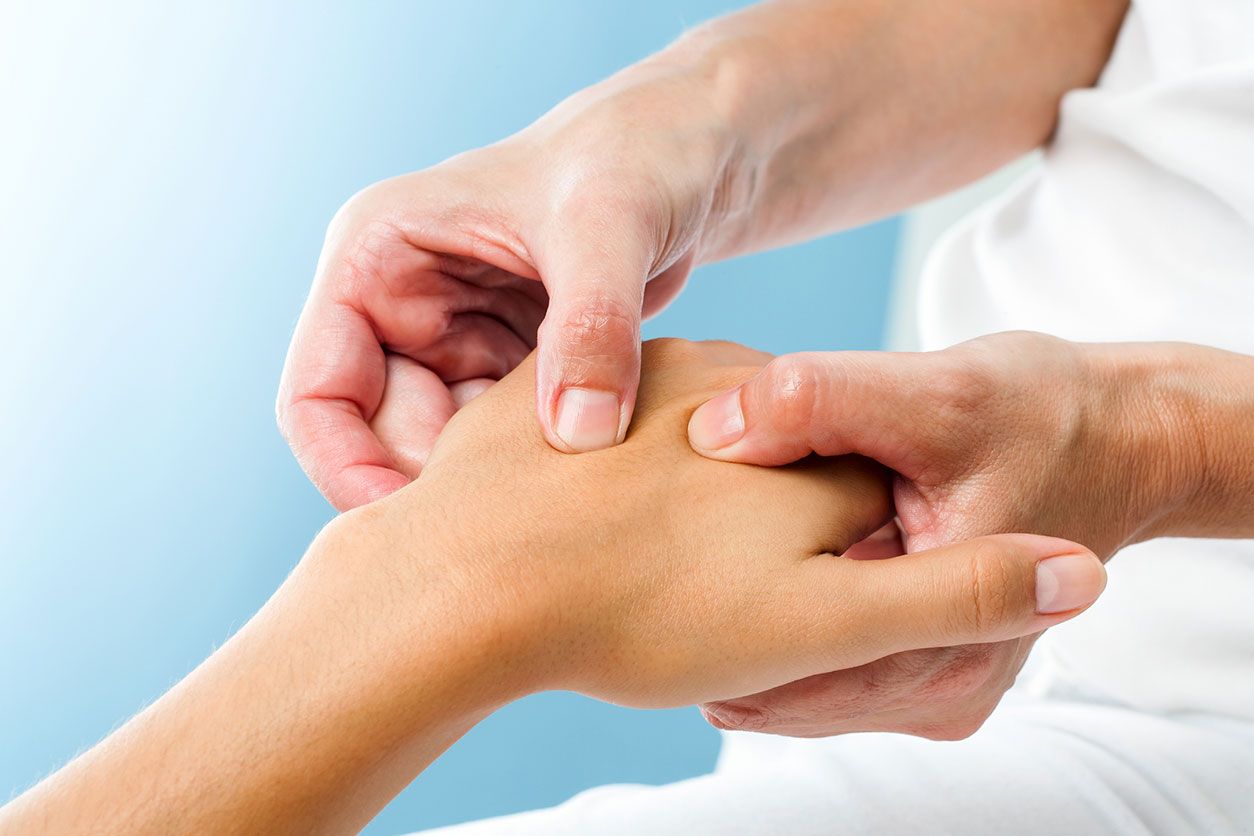
MidAmerica Orthopaedics’ Certified Hand Therapists (CHT) use occupation-based hand therapy to help patients return to a productive lifestyle. This type of hand therapy has benefits specific to improving the activities of daily living that a patient partakes in.
Read more: The Benefits of Occupation-Based Hand Therapy