Yard Work Injury? When to Visit an Orthopaedic Immediate Care Clinic
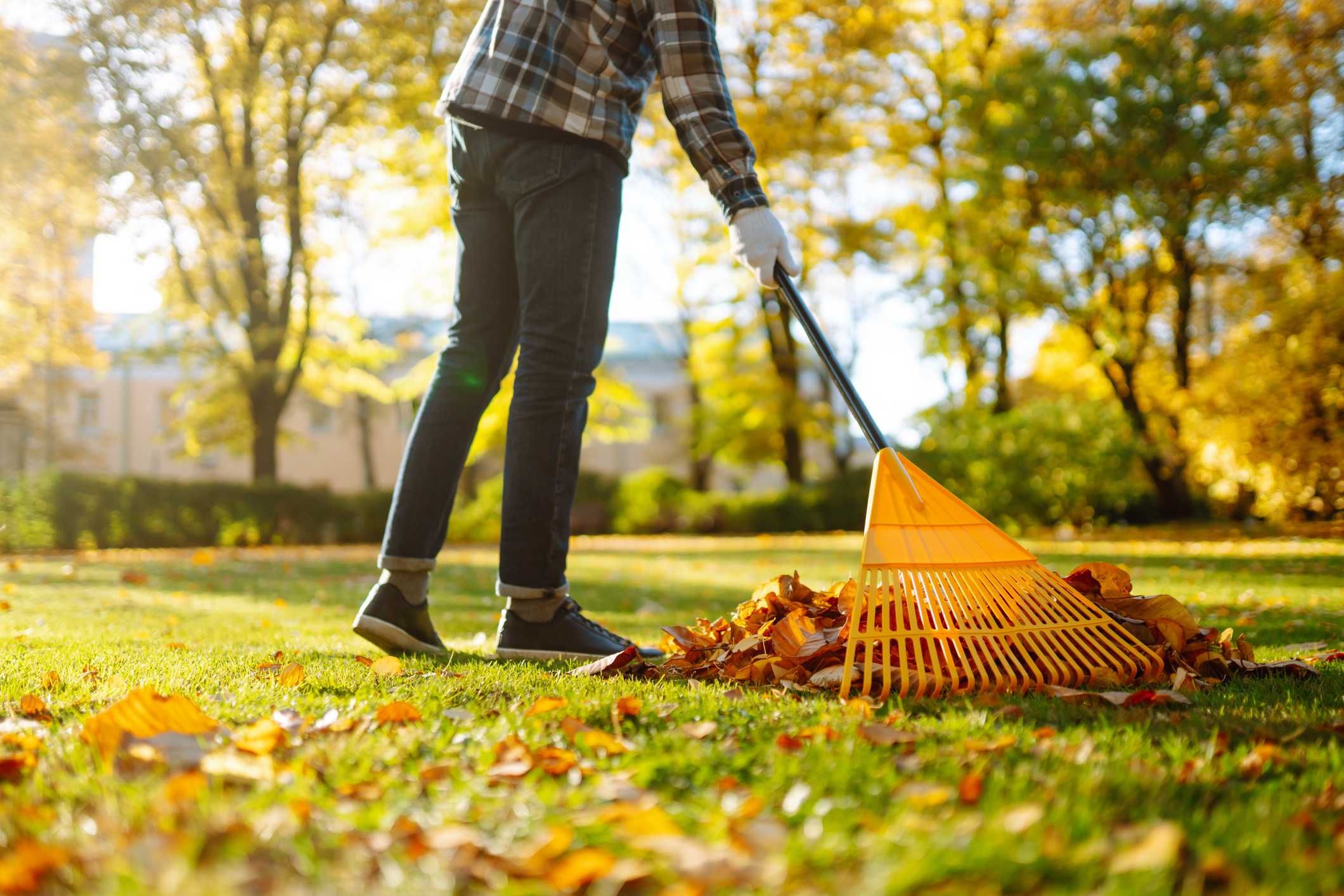
You were on your third bag of wet leaves when you felt it: a sharp catch low in your back as you twisted to toss the bag onto the pile. Now it hurts to stand up straight, and every step sends a jolt down toward your hip. Or maybe you slipped on a damp step while hauling the patio furniture inside and caught yourself with your hand, and your wrist has been throbbing ever since.
October is yard work season across Palos Hills, Mokena, and the rest of the south and southwest suburbs. Raking, bagging leaves, hauling firewood, cleaning gutters, and putting the garden to bed all put real demands on your body. One awkward lift, overreach, or slip can turn a productive afternoon into a painful injury.
Read more: Yard Work Injury? When to Visit an Orthopaedic Immediate Care Clinic
What to Expect at a Sports Medicine Clinic for Knee and Shoulder Pain
You first noticed it in July, a nagging ache in your shoulder after a few rounds of golf. You figured it would pass. Now it is October, you still cannot reach the top shelf of the garage without wincing, and you have started sleeping on your other side because rolling onto that shoulder wakes you up. You keep telling yourself you will get it checked out once things slow down.
Living with joint pain often means quietly changing your routine. You take the elevator instead of the stairs, skip the Saturday pickup game, or turn down a walk with family. It is completely normal to put off seeing a doctor, especially if you are worried you will be told you need months of downtime or surgery.
Read more: What to Expect at a Sports Medicine Clinic for Knee and Shoulder Pain
Orthopaedic Urgent Care Near Chicago for Fall Sports Injuries
It is a Friday night in October. Your daughter plants her foot on the turf during the second half, and you hear her yell from the stands. She limps off the field holding her knee, and by the time you get her to the car it is already starting to swell. Your first thought is the emergency room. Your second thought is the four-hour wait you sat through the last time.
Fall is a busy season for injuries in the south and southwest suburbs. High school football, soccer, and volleyball are in full swing, cross country runners are logging long miles on the Palos trails, and weekend athletes are squeezing in one more game before the cold sets in. When something goes wrong, knowing where to go can save you hours and get you on the right treatment path sooner.
Read more: Orthopaedic Urgent Care Near Chicago for Fall Sports Injuries
What to Expect at a Sports Medicine Clinic: Expert Recovery for South Suburb Athletes and Active Adults
Whether you are a high school athlete competing in autumn sports leagues, a runner training along the forest preserve trails in Palos Hills, or an active adult trying to stay competitive in weekend softball games in Mokena, dealing with physical pain can feel overwhelming. Imagine an active 48-year-old local resident who has spent the last few months pushing through persistent shoulder stiffness or a nagging knee ache. At first, taking a few days off or applying ice seems to help. But as the weeks go on, simple movements like reaching for something on a high shelf, walking down stairs at work, or throwing a baseball begin to trigger sharp discomfort.
Read more: What to Expect at a Sports Medicine Clinic: Expert Recovery for South Suburb Athletes and Active...
Skip the Emergency Room: Direct Access to Orthopaedic Urgent Care in Chicago's South Suburbs
When an unexpected injury happens, whether it is a severe ankle twist during a weekend soccer tournament in Mokena or a sudden knee strain while working on home repairs in Palos Hills, physical pain is immediately accompanied by anxiety. Your joint aches, bearing weight feels impossible, and your mind immediately races to worst-case scenarios. In those intense, stressful moments, deciding where to turn for medical help can feel overwhelming. Many patients assume that driving straight to a hospital emergency room is their only choice for same-day evaluation, even though the thought of sitting in a busy medical waiting room for hours adds intense stress to an already painful situation.
Read more: Skip the Emergency Room: Direct Access to Orthopaedic Urgent Care in Chicago's South Suburbs
Understanding Lumbar Facet Arthropathy: How Lower Back Joint Degeneration Affects Your Fall Mobility
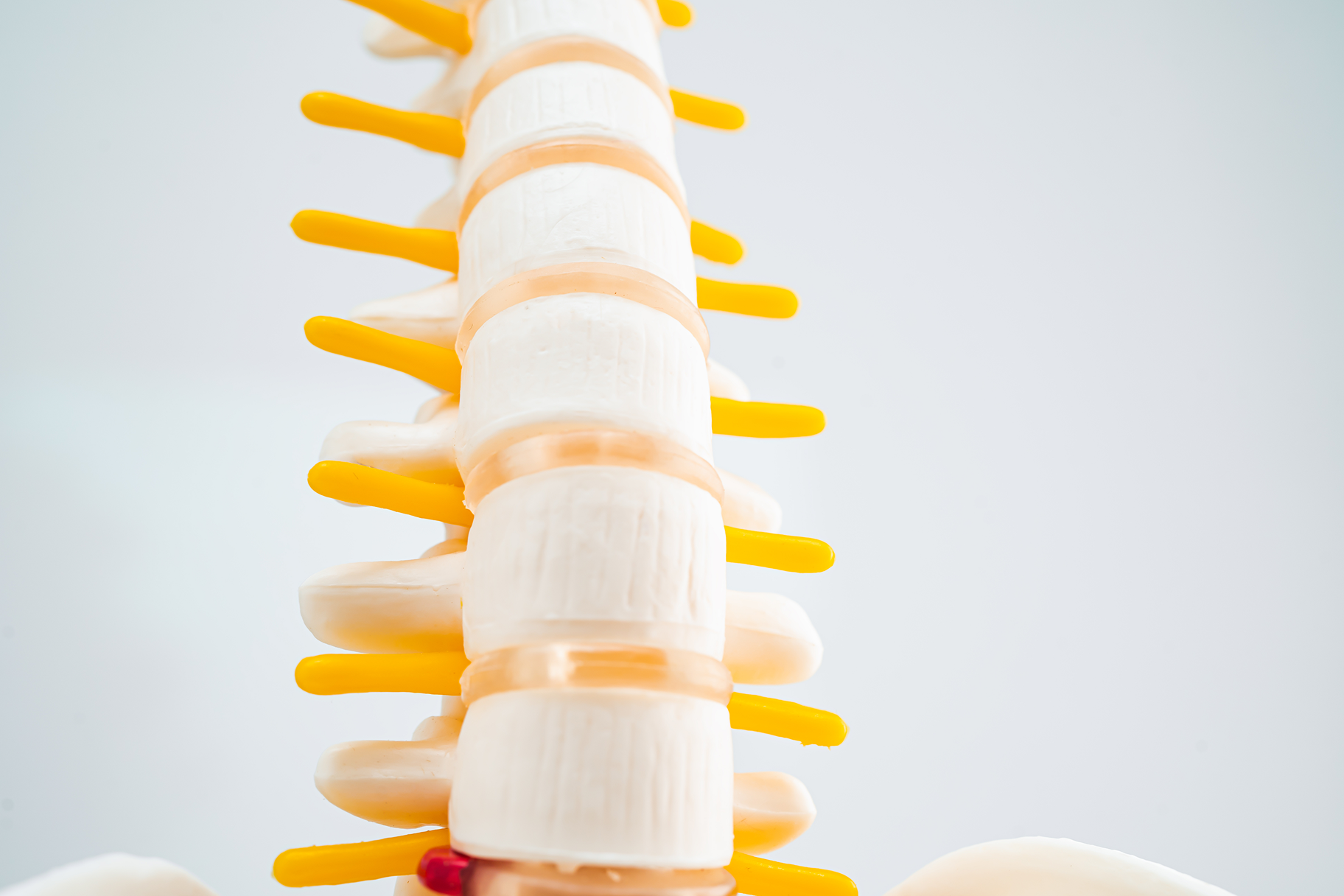
Waking up with a deep, persistent ache in your lower back can turn simple daily routines into overwhelming physical and mental challenges. Imagine a 52-year-old Mokena resident who has spent the last six months quietly managing lower back stiffness, taking extra care when getting out of the car or carefully pacing around the house. When autumn arrives in the south and southwest Chicago suburbs, seasonal activities like raking leaves, carrying bags of mulch, or lifting heavy boxes during household prep can turn a manageable ache into sharp, localized joint pain.
Read more: Understanding Lumbar Facet Arthropathy: How Lower Back Joint Degeneration Affects Your Fall Mobility
Decoding Your Spine MRI: What Mild Facet Arthropathy Means for Your Back Pain
Opening an MRI report after weeks of nagging lower back stiffness can feel overwhelming. You spent your summer tending to your yard, playing round after round of golf, or keeping up with your family across the south suburbs. Now, as the season shifts and you try to get back into a routine, your lower back feels tight, catchy, and persistently sore. You finally scheduled an imaging scan to get answers, but reading the radiologist's notes leaves you with more questions than clarity. Seeing medical terminology like mild facet arthropathy printed on your results can easily trigger anxiety, leading you to wonder if major spinal issues or invasive surgeries are in your future.
Read more: Decoding Your Spine MRI: What Mild Facet Arthropathy Means for Your Back Pain
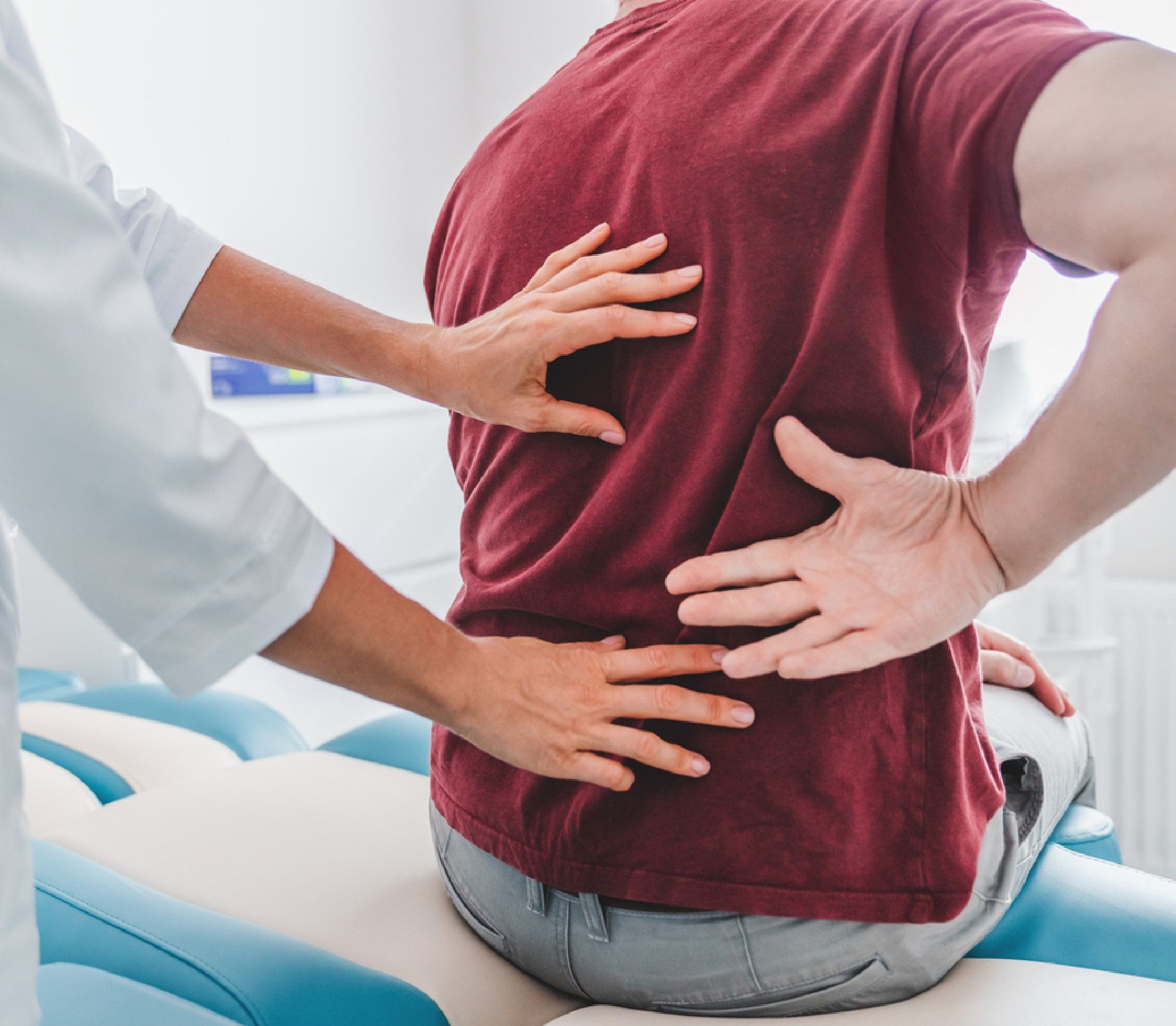
Your Back Just Locked Up. Here Is What to Do Next
![]()
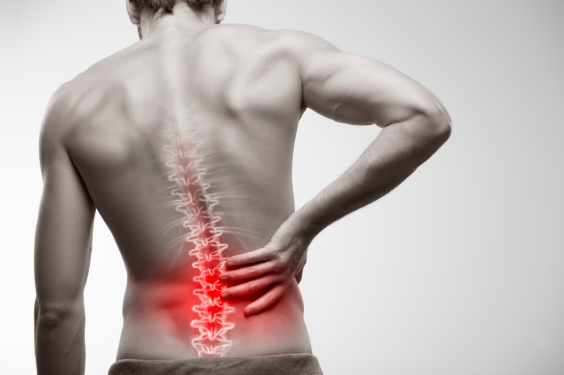
It happens when you least expect it. You are twisting to pull a stubborn weed, lifting a heavy piece of outdoor furniture to store it away for the upcoming season, or reaching to catch a falling tool in your garage. Suddenly, a sharp, electric catch locks up your lower back, leaving you completely frozen in place, gasping from the intense pain.
When an acute back spasm strikes, it can be incredibly frightening. Your initial reaction might be to panic and consider an urgent trip to a local general hospital emergency room. However, spending hours sitting in a hard chair within a chaotic, crowded general ER while your back muscles are actively seizing can turn a painful situation into an exhausting ordeal. General emergency rooms must prioritize life-threatening medical crises, which often means patients with musculoskeletal injuries face prolonged delays only to leave with temporary medication and a recommendation to find an independent specialist later.
Read more: Your Back Just Locked Up. Here Is What to Do Next