
Understanding Lumbar Facet Arthropathy: How Lower Back Joint Degeneration Affects Your Fall Mobility
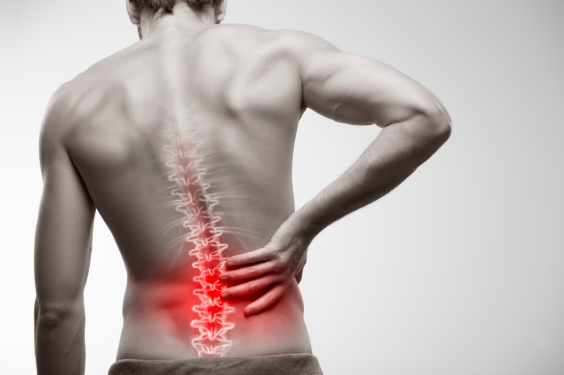
Waking up with a deep, persistent ache in your lower back can turn simple daily routines into overwhelming physical and mental challenges. Imagine a 52-year-old Mokena resident who has spent the last six months quietly managing lower back stiffness, taking extra care when getting out of the car or carefully pacing around the house. When autumn arrives in the south and southwest Chicago suburbs, seasonal activities like raking leaves, carrying bags of mulch, or lifting heavy boxes during household prep can turn a manageable ache into sharp, localized joint pain.
For many adults in Palos Hills, Mokena, and surrounding suburban communities, this persistent discomfort creates real anxiety. You might find yourself avoiding the stairs at work, stepping back from weekend recreational sports, or worrying whether this ongoing pain means you will eventually lose your physical independence. When patients receive an MRI or diagnostic imaging report and see the medical phrase lumbar facet arthropathy, it often causes even more stress. Reading complex clinical terms at home without guidance can leave you feeling scared and uncertain about what recovery looks like.
Understanding what this diagnosis means is the very first step toward easing your anxiety and regaining control over your mobility. Lumbar facet arthropathy is a non-life-threatening, highly manageable structural condition involving wear and tear in the small stabilizing joints along the back of your lower spine. By learning how these joints function, what causes joint breakdown, and how local specialists evaluate the back, you can move forward with clarity and confidence.
Key Takeaways
- Lumbar facet arthropathy is localized wear and inflammation in the small stabilizing joints located along the back of the lower spine.
- Typical symptoms include a deep lower back ache and joint stiffness that worsens when leaning backward, twisting, or standing for long periods.
- Facet joint pain rarely travels down the leg below the knee, making it distinct from nerve compression conditions like sciatica.
- Conservative, non-surgical care pathways, including physical therapy, core strengthening, and targeted injection therapies, provide effective relief for most patients.
- Early evaluation by a dedicated orthopaedic specialist clarifies diagnostic confusion and helps establish a clear path toward comfortable mobility.
What's Actually Happening in Your Lower Back
To understand how facet joint degeneration develops, it helps to examine the natural mechanics of your spinal column. Your lower spine relies on a continuous chain of bones called vertebrae, cushioned in the front by intervertebral discs. While these shock-absorbing discs manage vertical weight when you walk or jump, pairs of small, cartilage-lined joints along the back of each vertebra connect the spinal bones together. These structural connections are called facet joints.
Facet joints act like tiny hinges, guiding your torso when you bend sideways, twist to grab an item, or lean backward. In a healthy joint, smooth articular cartilage covers the bone surfaces, surrounded by a thin lubricating membrane that allows frictionless movement. Over decades of daily motion, physical work, repetitive athletic exertion, or natural age-related wear, this protective cartilage layer can gradually thin and break down.
When joint cartilage wears away, the underlying bone surfaces experience increased friction and pressure, triggering localized swelling, joint stiffness, and deep structural inflammation. This progressive wear-and-tear process is known as lumbar facet arthropathy. It is one of the most common causes of localized lower back pain in adults, particularly during seasonal shifts when physical activity levels change.
Not All Back Pain Is the Same. Here's How to Tell.
Patients living with facet joint changes typically experience symptoms distinct from other common spinal issues, such as herniated discs or sciatica. Nerve compression from a bulging disc often sends sharp, electric pain traveling all the way down the back of the leg past the knee. In contrast, joint degeneration in the lower spine usually stays localized near the lumbar spine.
Common symptoms associated with lumbar facet joint wear include:
- A deep, dull ache centered directly in the lower back, often extending into the upper buttocks or thighs.
- Increased pain or stiffness when leaning backward, arching the spine, or twisting the upper body.
- Severe morning stiffness along the beltline that gradually eases after moving around for twenty to thirty minutes.
- Sharp discomfort when standing still for extended periods while cooking, working, or attending local outdoor events.
- Tenderness to direct touch or physical pressure along the muscles surrounding the lower spine.
Many individuals adapt to this localized discomfort by constantly leaning slightly forward or placing their hands on their knees while standing. While these minor adjustments provide brief temporary relief, relying on altered posture over time can strain surrounding back muscles and cause secondary muscle spasms.
A Clear Diagnosis Starts With the Right Questions
If ongoing lower back stiffness is limiting your daily routine, seeking a comprehensive evaluation brings clear answers and removes the guesswork. A proper orthopaedic evaluation starts with a supportive, thorough conversation about your daily symptoms, your personal physical goals, and how your back pain is impacting your quality of life.
During a clinical physical examination, your physician gently tests your spinal range of motion, muscle strength, reflexes, and joint tenderness. Identifying the exact movements that reproduce your discomfort helps differentiate facet joint arthritis from muscle strains, disc displacement, or hip conditions. Diagnostic imaging is then used to confirm what is happening beneath the surface. Standard digital X-rays can reveal narrowed joint spaces or small bone spurs around the facet joints, while magnetic resonance imaging (MRI) provides detailed views of spinal nerves, discs, and cartilage.
Connecting directly with specialists at our Minimally Invasive Spine Clinic ensures your imaging findings are accurately interpreted alongside your real-world symptoms. This personalized approach prevents unnecessary fear over standard age-related changes seen on an MRI scan.
Most Patients Get Better Without Surgery
Receiving a diagnosis of lumbar facet arthropathy does not mean you are facing immediate surgery or complex invasive procedures. In fact, the vast majority of patients managing lower back joint changes achieve significant improvement and improved function through targeted, non-surgical treatment plans designed to calm joint inflammation.
A physician evaluates each patient individually to outline a conservative care strategy that aligns with their personal mobility goals:
- Targeted Physical Therapy: Specialized physical therapists build core muscle strength, improve hamstring flexibility, and restore pelvic balance. Strengthening the abdominal and deep back muscles reduces the structural load placed directly on the lower facet joints.
- Activity Modification and Ergonomics: Guidance on posture correction, lifting techniques, and ergonomic adjustments helps protect your lower back during daily work and household chores in Palos Hills and Mokena.
- Targeted Non-Surgical Procedures: When joint inflammation makes physical therapy difficult to perform comfortably, physicians at our Pain Management Clinic may recommend conservative non-surgical care. Options such as image-guided diagnostic facet joint blocks, anti-inflammatory epidural injections, or radiofrequency ablation, described in more detail on the American Academy of Orthopaedic Surgeons' spinal injections overview, can help reduce joint pain, allowing you to participate fully in physical rehabilitation.
Reclaiming Comfort and Active Living in the South Suburbs
Living with persistent lower back pain can feel isolating, but you do not have to accept physical limitation as a permanent part of aging. Lumbar facet arthropathy is a common, manageable joint condition that responds well to organized, compassionate care. By addressing your symptoms early with expert guidance, active adults throughout Palos Hills, Mokena, and surrounding communities can protect their long-term spinal health and return to the activities they love.
Start Your Path to Lasting Pain Relief
At MidAmerica Orthopaedics, you are cared for by a full team built around your recovery, not just a single provider:
- Board Certified Orthopaedic Spine Surgeons, for cases that need surgical expertise
- Fellowship-trained physiatrists and pain management experts, for non-surgical and injection-based care
- Licensed physical therapists, for the rehabilitation that helps you stay pain-free
- Fully integrated facilities in Palos Hills and Mokena, with advanced digital imaging, non-surgical injection suites, and full physical therapy gyms all under one roof
This team-based approach reflects our S.P.I.R.I.T. philosophy, serving people individually with respect, integrity, and trust, so your care plan is built around your goals, not a one-size-fits-all protocol.
If lower back stiffness or joint pain is keeping you from living life to the fullest, visit our Contact Page to request an educational consultation with one of our spine care specialists.
By Dr. Gurpal Pannu
Dr. Pannu is a Board Certified Orthopaedic Spine Surgeon with extensive training in the evaluation and treatment of adult spinal conditions Back pain and other spinal disorders can have a tremendous impact on an individual’s quality of life. He strongly believes in the importance of educating his patients about their condition, prognosis, and treatment options. This allows his patients to make well-informed decisions.
Frequently Asked Questions
What is lumbar facet arthropathy?
Lumbar facet arthropathy is wear and inflammation in the small stabilizing joints along the back of the lower spine, caused by the gradual breakdown of the cartilage that allows those joints to move smoothly.
How is facet joint pain different from sciatica?
Facet joint pain usually stays localized in the lower back and upper buttocks, while sciatica involves nerve compression that sends sharp, electric pain down the back of the leg, often past the knee.
Do I need surgery for lumbar facet arthropathy?
Most patients improve significantly with non-surgical care, including physical therapy, activity modification, and targeted injection therapies, without ever needing surgery.
What can I expect during a spine evaluation for lower back pain?
An evaluation typically includes a conversation about your symptoms and goals, a physical exam testing range of motion, strength, and joint tenderness, and imaging such as X-rays or an MRI to confirm what is happening structurally.
What non-surgical treatments are available for facet joint pain?
Options include targeted physical therapy, posture and ergonomic adjustments, and procedures such as image-guided facet joint blocks, epidural injections, or radiofrequency ablation when inflammation limits your ability to participate in therapy.
This content is for general educational purposes only and is not a substitute for professional medical advice, diagnosis, or treatment. Please consult one of our physicians to discuss your specific condition and treatment options.
