
Decoding Your Spine MRI: What Mild Facet Arthropathy Means for Your Back Pain
Opening an MRI report after weeks of nagging lower back stiffness can feel overwhelming. You spent your summer tending to your yard, playing round after round of golf, or keeping up with your family across the south suburbs. Now, as the season shifts and you try to get back into a routine, your lower back feels tight, catchy, and persistently sore. You finally scheduled an imaging scan to get answers, but reading the radiologist's notes leaves you with more questions than clarity. Seeing medical terminology like mild facet arthropathy printed on your results can easily trigger anxiety, leading you to wonder if major spinal issues or invasive surgeries are in your future.
It is entirely natural to feel anxious when reviewing medical results on your own at home. Spine health terminology sounds remarkably clinical, and when you are already living with discomfort, it is easy to assume the worst. The good news is that understanding what this diagnosis actually means is the very first step toward taking control of your recovery and restoring comfort to your daily life.
What Does Mild Facet Arthropathy Actually Mean?
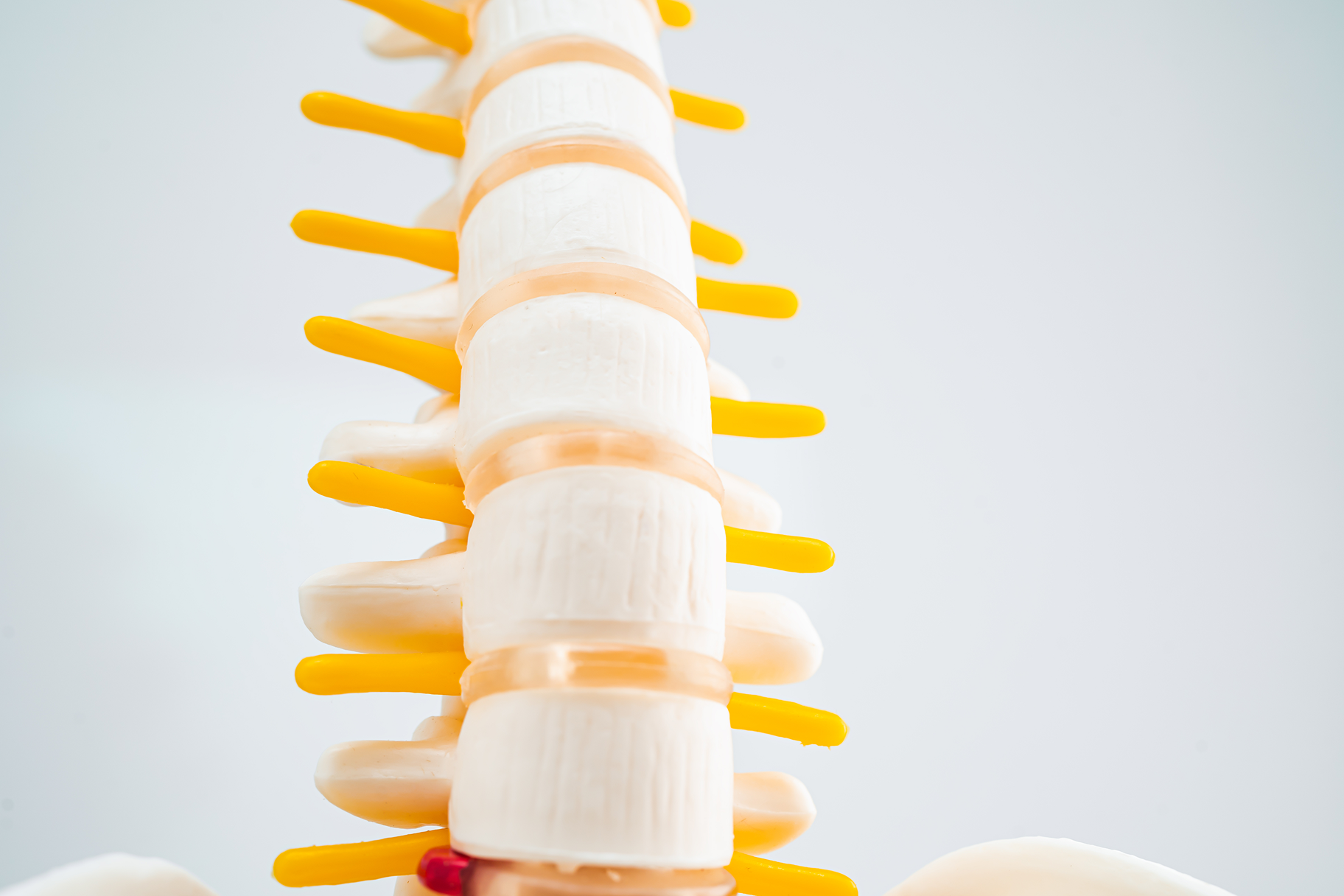
To understand this diagnosis, it helps to look at how your spine is built. Your spinal column is made up of individual bones called vertebrae stacked on top of one another. While soft cushions called discs sit between the fronts of these bones, small paired joints located at the back of each vertebra connect the entire column together. These small connections are your facet joints.
Every facet joint is lined with smooth cartilage and enclosed in a protective capsule, allowing your back to bend, twist, and flex comfortably without friction. Over time, normal daily wear, repetitive movements, and aging can cause this protective cartilage to gradually thin or roughen.
When your scan notes mild facet arthropathy, it simply indicates an early, low-grade stage of wear and tear within these stabilizing spinal joints. The word arthropathy breaks down to joint disease or joint change, while the word mild is the most important descriptor in your report. It signifies that the joint changes are in their earliest stages, meaning the underlying structural integrity of your spine remains strong.
Translating Your Symptoms into Clear Answers
Even early joint changes can cause real, noticeable discomfort that disrupts your daily routine. Many residents across Mokena and Palos Hills who receive this diagnosis report a specific pattern of symptoms that worsens during certain physical activities:
- A dull, localized ache in the lower back or upper buttocks that feels deeper than a simple muscle strain.
- Increased stiffness first thing in the morning that gradually loosens up as you move around your home.
- A sharp catching sensation or increased discomfort when leaning backward, arching your spine, or twisting to check your blind spot while driving.
- Soreness that flares up after standing for long periods at family gatherings or sitting through a long daily commute.
- Temporary relief when leaning slightly forward, such as resting your hands on a shopping cart.
It is also helpful to know what this condition typically does not cause. Because facet wear is localized to the small stabilizing joints, it rarely causes sharp, radiating pain that shoots all the way down into your calf or foot, which is more commonly associated with nerve compression or disc herniation.
Why a Mild MRI Finding Does Not Mean You Need Surgery
Receiving an MRI result that mentions joint degeneration can make you worry that surgical intervention is inevitable. Fortunately, that is rarely the case. In fact, a finding of mild wear is often an encouraging sign because it means your spine is responding exceptionally well to early, conservative management.
An MRI provides a detailed snapshot of your anatomy, but it does not tell the whole story on its own. Diagnostic images must always be evaluated alongside a physical examination, your medical history, and your specific daily symptoms. A small amount of joint wear on a scan is extremely common as we age, and many individuals with similar imaging findings live active, comfortable lives without any daily discomfort at all.
Our goal when evaluating your scan is to correlate those visual findings with what you are experiencing in real life. By catching joint changes in their early stages, we can implement targeted, non-surgical protocols that calm localized inflammation, restore joint mobility, and protect your spine from progressive wear.
Path to Comfort: Non-Surgical Treatment Options
Managing back stiffness effectively requires a personalized approach that addresses both local joint irritation and the surrounding supporting muscles. Our fellowship-trained spine specialists focus on conservative care options designed to reduce pain and help you maintain your independence.
Depending on your specific lifestyle needs and physical evaluation, non-surgical management options may include:
Targeted Physical Therapy
Working with dedicated physical therapists helps build core stability and pelvic strength. Strengthening the deep abdominal and back muscles reduces mechanical pressure on your facet joints, allowing them to glide smoothly during daily movements. Targeted flexibility exercises also address tight hip flexors and hamstrings that may be pulling your spine out of alignment.
Image-Guided Interventional Care
If joint inflammation causes severe morning stiffness or limits your ability to participate in physical therapy, interventional pain management options can provide targeted relief. Diagnostic and therapeutic facet joint injections deliver precise anti-inflammatory medication directly into or around the affected joint capsule under real-time imaging guidance, helping to calm localized swelling and break the pain cycle.
Activity Modification and Ergonomics
Learning how to move safely during everyday activities protects your joints from unnecessary strain. Simple adjustments to how you lift heavy objects, set up your office chair, or position your pillows while sleeping can significantly decrease daily irritation.
Comprehensive Spine Care Right in Your Community
When dealing with spine-related discomfort, navigating complex hospital networks or waiting weeks for specialty referrals only adds unnecessary stress to your recovery. Having direct access to an integrated team of experts ensures you receive prompt, clear answers close to home.
At MidAmerica Orthopaedics, our compassionate care ecosystem brings together fellowship-trained orthopaedic spine surgeons, interventional pain management experts, on-site digital imaging, and specialized physical therapy under one roof. Our Direct to Specialist model eliminates traditional healthcare delays, allowing south and southwest suburban residents to consult directly with orthopaedic experts who can guide them through every step of their care plan.
With decades of collective experience, a dedicated team of fellowship-trained specialists, and fully equipped facilities in Palos Hills and Mokena, MidAmerica Orthopaedics delivers advanced, board-certified spine care tailored to your unique goals.
If a recent MRI report or persistent back stiffness is causing you concern, schedule a comprehensive evaluation with our compassionate team today by visiting our Contact Page.
Key Takeaways
- Mild facet arthropathy indicates early, low-grade wear and tear in the small stabilizing joints at the back of your spine.
- Symptoms typically include localized lower back stiffness, morning soreness, and discomfort when leaning backward or twisting.
- A mild finding on an MRI is an encouraging sign that your spine remains structurally stable and responds very well to conservative care.
- Non-surgical care options like targeted physical therapy, ergonomic adjustments, and image-guided injections are highly effective at managing joint discomfort.
- MidAmerica Orthopaedics offers direct access to fellowship-trained spine experts and all-in-one diagnostic care in Palos Hills and Mokena.
Frequently Asked Questions
What causes mild facet arthropathy to flare up suddenly?
While facet arthropathy represents gradual wear and tear over time, a sudden flare-up is often triggered by an unexpected movement, such as lifting an object while twisting or prolonged extension of the spine. This can temporarily irritate the sensitive joint capsule or surrounding tissues, causing surrounding muscles to tighten in response.
Can mild facet arthropathy worsen if left untreated?
Joint degeneration is a progressive natural process, but mild changes do not automatically mean severe impairment will develop. Early evaluation allows specialists to introduce targeted core strengthening, posture adjustments, and anti-inflammatory strategies that protect your spinal joints and maintain long-term function.
Will I need to stop playing sports or exercising with this diagnosis?
In most cases, absolute rest is actually counterproductive for joint stiffness. While you may need to temporarily modify high-impact routines during an active flare-up, maintaining an active lifestyle is essential for joint health. A structured physical therapy routine helps you safely return to golf, walking, and daily physical activity without overloading your spine.
How is mild facet arthropathy different from a herniated disc?
Facet arthropathy involves wear in the small cartilage-lined joints at the back of the spine, usually causing localized ache and stiffness when arching or twisting. A herniated disc involves the soft cushion between the vertebrae pressing on spinal nerves, which frequently causes sharp, shooting pain, numbness, or tingling down the leg.
