
Gardening Without the Ache: How to Prevent Lower Back and Knee Strain This Spring
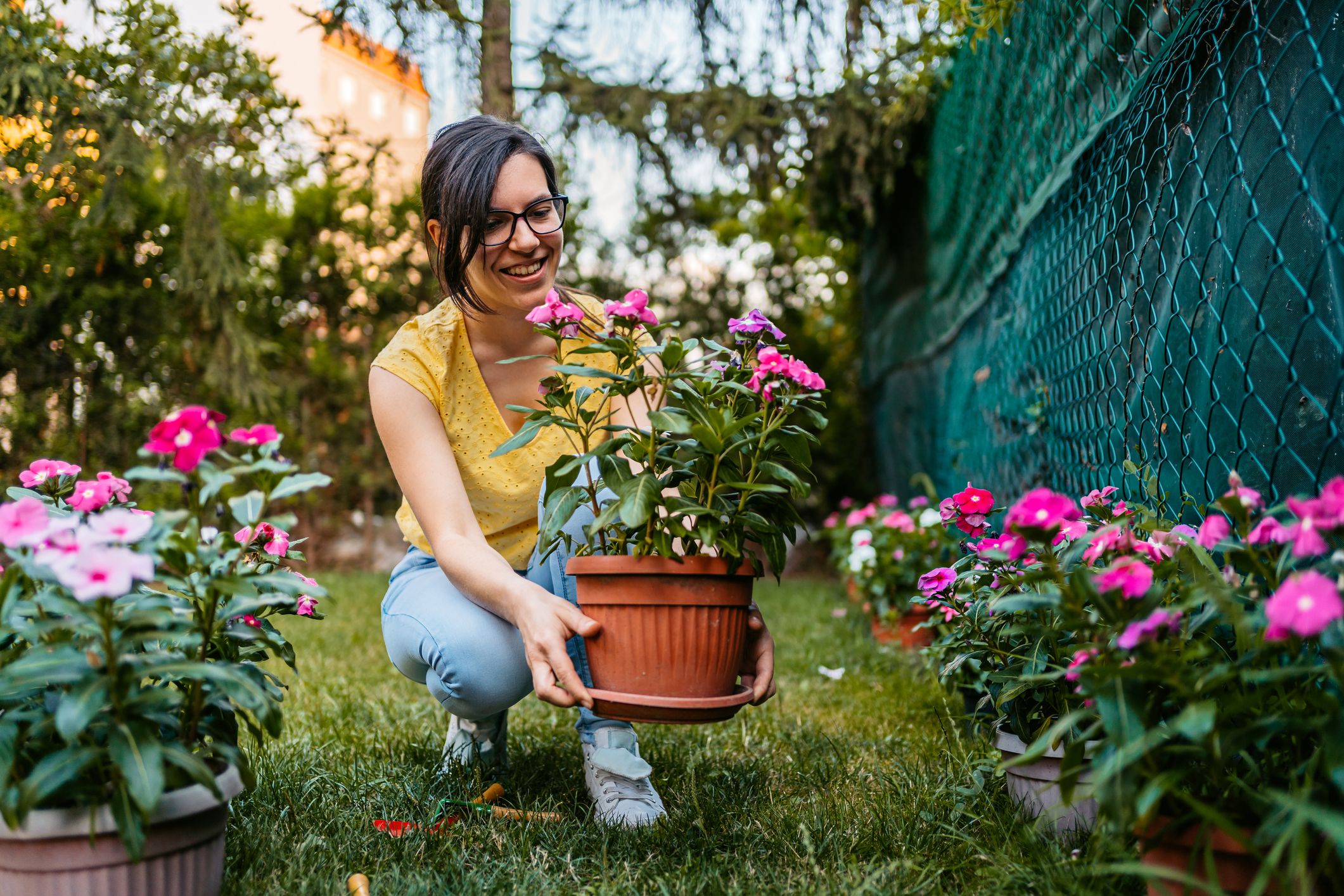
As the frost thaws in Mokena and the flowers begin to bloom in Palos Hills, thousands of residents head outdoors to reclaim their gardens. While gardening is often viewed as a relaxing, low-impact hobby, it is actually a physically demanding activity that requires repetitive bending, heavy lifting, and prolonged periods of kneeling on hard ground. For many, a weekend spent "beautifying the yard" ends in a week spent on the couch with a heating pad and a bottle of anti-inflammatories.
At MidAmerica Orthopaedics, we see a significant rise in musculoskeletal complaints every April. Interestingly, these injuries are not limited to athletes. Many "weekend warriors" find that their joints and muscles are not prepared for the sudden intensity of landscaping after a sedentary winter. Our Sports Medicine Clinic experts believe that with the right preparation and technique, you can enjoy your garden without sacrificing your mobility or "throwing out" your back.
At MidAmerica Orthopaedics, we see a significant rise in musculoskeletal complaints every April. Interestingly, these injuries are not limited to athletes. Many "weekend warriors" find that their joints and muscles are not prepared for the sudden intensity of landscaping after a sedentary winter. Our Sports Medicine Clinic experts believe that with the right preparation and technique, you can enjoy your garden without sacrificing your mobility or "throwing out" your back.
Why Gardening is a "Sport" for Your Joints
To your body, lifting a forty-pound bag of mulch or a heavy ceramic planter is no different than a gym workout. It requires core stability, proper leg drive, and significant grip strength. When you spend three hours weeding on your hands and knees, you are putting immense pressure on your patellar tendons and your lower lumbar spine.
Imagine a local Fire Marshal who spent all winter at a desk or in a vehicle. He is in generally good shape, but he hasn't performed deep squats or heavy lifting in months. On a Saturday morning, he decides to spend four hours digging trenches for a new drainage system. Because his "functional fitness" hasn't been maintained for that specific movement, his body begins to compensate.
As his primary lifting muscles tire, he stops lifting with his legs and starts pulling with his lower back. This "compensatory movement" is the number one cause of disc herniations and severe muscle strains. By Sunday evening, he is experiencing "sciatica" or sharp pains in his knees. This is why we treat gardening as an athletic endeavor that requires a "warm-up" and proper form.
The Biomechanics of Back and Knee Protection
To stay injury-free, you must understand the physics of how your body handles weight. Your spine is most vulnerable when it is in a "flexed and rotated" position—meaning you are bending over and twisting at the same time to move a plant or a shovelful of dirt.
The "Hinge" vs. The "Hunch"
When reaching for the ground, most people "hunch" their shoulders and curve their spine. This puts the entire load of your upper body on the small discs in your lower back. Instead, you should practice the "hip hinge." By pushing your hips back and keeping your spine straight, you transfer the weight to your glutes and hamstrings, which are much larger and more capable of handling the load.
Protecting the Knees
Kneeling for long periods can compress the bursa, which are small fluid-filled sacs that cushion the knee joint. If these become inflamed (bursitis), it can lead to chronic swelling and pain that makes walking difficult. We recommend using a high-quality, thick foam kneeling pad or a specialized garden bench that allows you to sit while you work.
Ergonomic Strategies for a Pain-Free Spring
Our Sports Medicine Clinic specialists recommend several ergonomic adjustments to help Palos Hills residents maintain their yards without injury.
- Use Your Tools, Not Your Spine: Whenever possible, use long-handled tools to avoid excessive bending. Long-handled hoes and weeders allow you to maintain an upright, neutral posture while working.
- The Power of "Micro-Breaks": One of the biggest mistakes gardeners make is staying in one position for too long. Repetitive strain occurs when you perform the same movement hundreds of times without rest. Every twenty minutes, stand up, stretch your hip flexors, and walk for twenty seconds to reset your posture.
- Lifting Technique (The Mulch Move): When lifting heavy bags, keep the object as close to your body as possible. This shortens the "lever arm" and reduces the force required from your back muscles. Squat down, keep your chest up, and drive through your heels.
When a "Twinge" Becomes a Problem
It is normal to feel a bit of muscle soreness after a day of yard work. This is typically "delayed onset muscle soreness" (DOMS) and should resolve within 48 hours with rest and hydration. However, there are specific "red flags" that indicate you should visit our Orthopaedic Immediate Care clinic for a professional evaluation.
If you experience sharp, shooting pains that travel down your legs (sciatica), persistent swelling in your knees that doesn't respond to ice, or a "clicking" or "locking" sensation in your joints, these are signs of structural irritation. Ignoring these symptoms can lead to chronic inflammation or even tears in the meniscus or tendons that may eventually require surgical intervention. By addressing these issues early, you can often resolve them through conservative treatments like physical therapy, specialized bracing, or anti-inflammatory management.
The MidAmerica Approach: Keeping You Active
Our mission is to foster hope, healing, and well-being. We don't want you to stop gardening: we want to help you garden better. Our sports medicine team works with patients of all ages to improve their functional mobility. This includes strengthening the "stabilizer" muscles that support your joints during the unique movements of yard work.
By coming directly to our specialists, you bypass the generic advice of "just take some ibuprofen." We provide a comprehensive evaluation to ensure your "nagging" shoulder pain isn't actually a rotator cuff issue that will worsen with every bag of soil you lift. Whether you are a competitive athlete or a dedicated gardener, we are committed to restoring your quality of life.
Don't Let Pain Keep You Indoors This Spring. If your passion for gardening is being sidelined by joint pain or back stiffness, our specialists are here to help you get back to the soil safely and efficiently.
Call MidAmerica Orthopaedics at (708) 237-7200 to schedule your evaluation at our Palos Hills or Mokena clinic.
Key Takeaways
- Functional Fitness: Gardening is a high-demand physical activity: treat it like a workout.
- Mind Your Form: Use the "hip hinge" and avoid bending and twisting simultaneously to protect your spine.
- Equipment Matters: Invest in kneeling pads and long-handled tools to reduce joint compression.
- Early Intervention: Don't ignore persistent pain: a quick visit to an Orthopaedic Immediate Care specialist can prevent a summer-long injury.
