
From Pickleball to High School Baseball: Avoiding Early Season Injuries at Our Sports Medicine Clinic
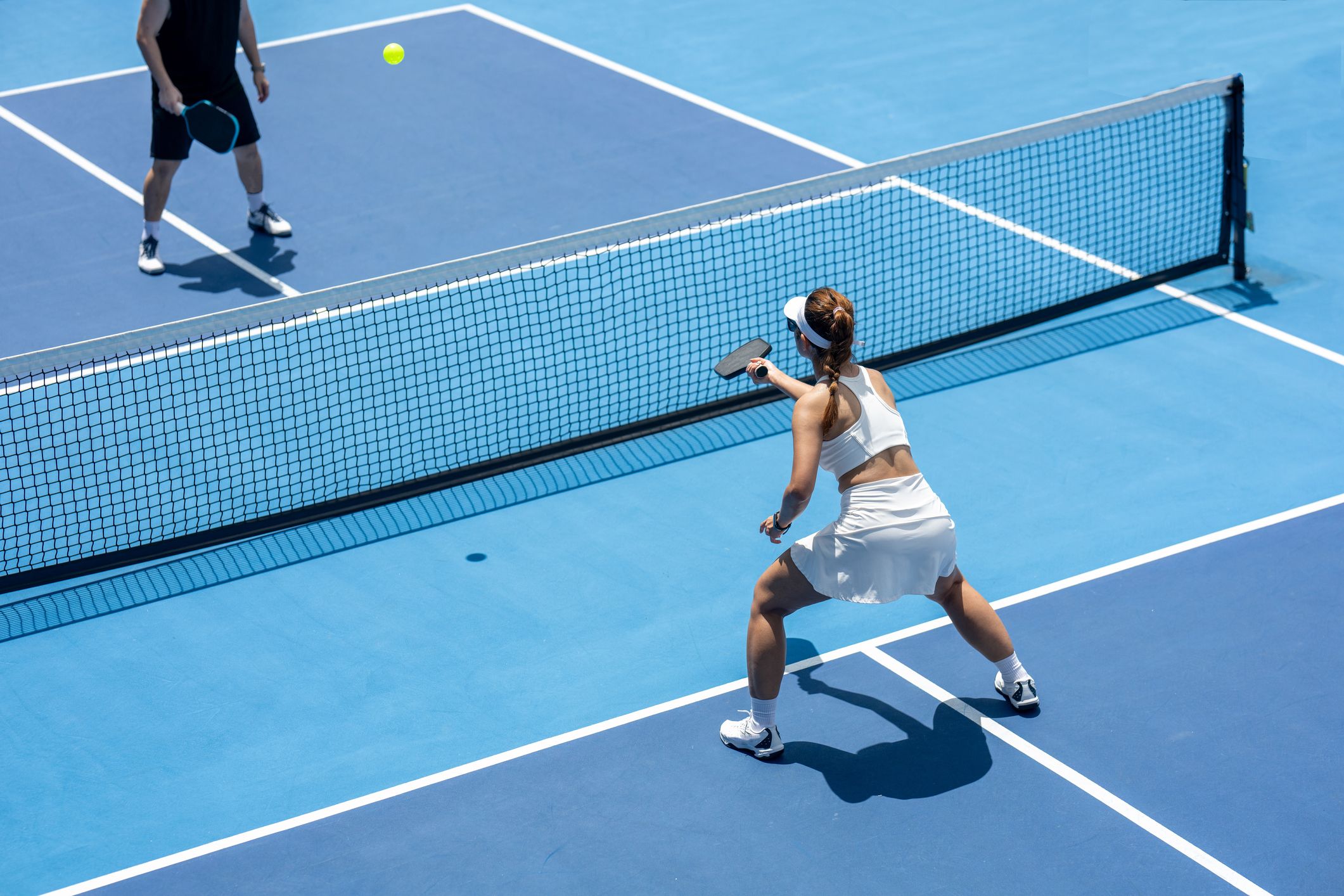
As the frost thaws in the South Suburbs and the fields in Mokena and Palos Hills begin to green, a familiar energy returns to our community. High school athletes are stepping onto the diamond for baseball and softball, while active adults are dusting off their paddles for the local pickleball courts. This transition from a sedentary winter to an active spring is a highlight of the year, but it is also the most dangerous time for your joints and soft tissues.
At MidAmerica Orthopaedics, we see a significant influx of patients during this "Spring Training" phase. The enthusiasm to get back into the game often outpaces the body's physical readiness. Whether you are a student athlete pushing for a college scholarship or a retiree enjoying a competitive doubles match, understanding the mechanics of injury prevention is the first step toward a successful season.
The Physiology of the "Off-Season" Slump
During the colder months, most individuals experience a decrease in specialized physical activity. Even if you stay active at the gym, the specific lateral movements, high-velocity throwing, and sudden decelerations required by sports like tennis or baseball are difficult to replicate on a treadmill. This leads to a loss of "functional elasticity" in the tendons and ligaments.
When you suddenly ask your body to perform at 100% intensity on a chilly March afternoon, those cold, stiff tissues are at a higher risk for micro-tears. This is why our sports medicine clinic emphasizes a gradual "ramp-up" period. We believe that an ounce of prevention in March is worth more than a month of physical therapy in May.
Common Spring Injuries and Why They Happen
Understanding the "why" behind an injury can help you spot the warning signs before a complete tear or fracture occurs. In our clinics, we categorize these early-season issues into three main groups:
Overuse and Throwing Injuries
For baseball and softball players, the shoulder and elbow take the brunt of the "too much, too soon" approach. Throwing is a highly unnatural motion for the human body that requires perfect synchronization between the legs, core, and arm. If the core is weak from a winter hiatus, the athlete will overcompensate with the arm, leading to conditions like Labral tears or UCL strain.
The "Weekend Warrior" Achilles Strain
Pickleball and tennis require sudden, explosive movements. Imagine a local business owner who has spent the winter behind a desk and suddenly finds themselves sprinting for a drop shot. Without proper calf flexibility and a warm-up, the Achilles tendon can snap like a dry rubber band. This is a devastating injury that can be avoided with the right conditioning protocols.
Stress Fractures in Student Athletes
Track and field athletes often develop shin splints that, if ignored, progress into stress fractures. This happens when the muscles become so fatigued that they stop absorbing the shock of the hard pavement, transferring that force directly to the bone. Our team focuses on gait analysis and footwear recommendations to ensure these young runners stay on the track and out of a walking boot.
The MidAmerica Advantage: Direct to Specialist Care
In the traditional medical model, an injured athlete might go to a general practitioner or a standard urgent care center. Unfortunately, these facilities often lack the specialized diagnostic equipment and expertise to handle complex sports injuries. You might be told to "just rest it" and wait two weeks for a referral to see a specialist.
We do things differently. Our "Direct to Specialist" model means that when you visit our Orthopaedic Immediate Care clinic, you are seeing experts who live and breathe musculoskeletal health. We have the onsite imaging and clinical expertise to provide an immediate diagnosis and a tailored recovery plan. We understand that for an athlete, every day spent on the sidelines is a day lost, so we prioritize efficient, accurate care.
Your Path to Recovery
Do not let a preventable injury sideline your spring season. Whether you are dealing with a fresh injury or a nagging pain that won't go away, our team is here to help you regain your competitive edge.
To schedule an appointment with one of our specialists, call us at (708) 237-7200 or visit our Contact Us page to learn more about our Palos Hills and Mokena locations.
Key Takeaways for a Healthy Spring
- The 10% Rule: Never increase your activity level, duration, or intensity by more than 10% per week.
- Dynamic Warm-ups: Static stretching is for after the game. Before you play, use dynamic movements like lunges and arm circles to increase blood flow.
- Hydration and Nutrition: Cold spring air can be dehydrating, which makes muscles more prone to cramping and strain.
- Listen to "Niggling" Pain: If a dull ache persists for more than 48 hours, it is your body’s way of asking for help.
