
Beyond the Back Pain: Understanding Your Options for Orthopaedic Spine Surgery
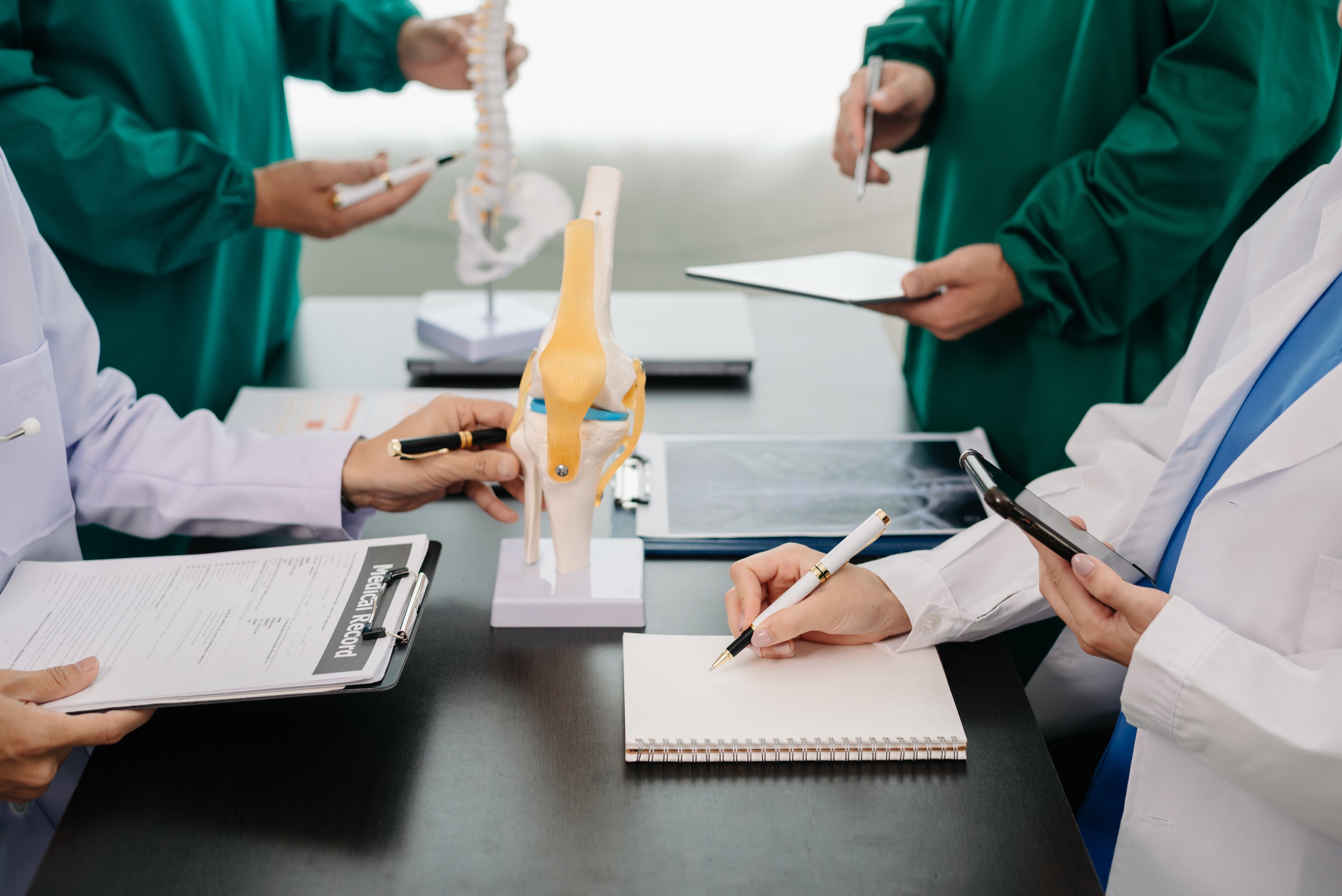
If you are one of the millions of Americans living with chronic back or neck pain, you know exactly how it feels to have your world shrink. It starts with skipping the morning jog. Then, it’s avoiding long car rides. Eventually, you might find yourself saying no to playing with your grandkids or missing out on family events because the thought of standing for more than ten minutes is unbearable.
Back pain is the great interrupter. But what happens when heat packs, ibuprofen, and waiting it out just aren't working anymore?
For many patients, the phrase "spine surgery" sounds frightening. It conjures images of long hospital stays and painful recoveries. However, the field of orthopaedic spine surgery has undergone a quiet revolution in the last decade. With advancements in technology and minimally invasive techniques, surgical intervention is no longer just a "last resort"—it is a pathway to reclaiming your active life.
At MidAmerica Orthopaedics, we believe that an informed patient is an empowered patient. Here is everything you need to know about the modern landscape of spine care and how our team can help you stand tall again.
The Philosophy: Conservative Care First
Before we discuss surgery, it is important to understand the philosophy of a quality orthopaedic practice. The best surgeons are often the ones who are most hesitant to operate.
Your spine is the central pillar of your body’s architecture. Because it is so complex, involving a delicate interplay of bone, nerve, muscle, and ligament, we always explore non-surgical ("conservative") options first.
For the vast majority of our patients, relief can be found through:
- Physical Therapy: Strengthening the core muscles that support the spine to take pressure off the vertebrae.
- Injections: Corticosteroid or nerve block injections to reduce inflammation and "quiet" the pain signals.
- Medication Management: Using anti-inflammatories to manage acute flare-ups.
However, if you have exhausted these options and your quality of life is still suffering, or if you are experiencing progressive nerve damage (numbness, weakness, tingling), surgery may be the most effective next step.
Common Conditions That May Require Surgery
While there are dozens of spinal conditions, a few common culprits tend to drive patients to seek surgical solutions.
Herniated Discs (Slipped or Ruptured Discs)Between each of your vertebrae are rubbery cushions called discs. These act as shock absorbers. Over time, or due to injury, the soft center of the disc can push out through a tear in the tougher exterior. This "leaked" material can press against nearby nerves, causing searing pain, numbness, or weakness in the arms or legs (often called sciatica).
Spinal Stenosis"Stenosis" essentially means narrowing. As we age, osteoarthritis can cause the open spaces within your spine to narrow. This puts pressure on the spinal cord and the nerves that travel through the spine to your arms and legs. Patients with stenosis often feel fine while sitting but experience pain and heaviness in their legs when walking or standing.
SpondylolisthesisThis tongue-twister of a condition occurs when one of your vertebrae slips forward out of place onto the bone below it. This misalignment can squeeze the nerve and cause significant instability and pain in the lower back.
Decoding the Procedures: What Actually Happens?
If you and your doctor decide that surgery is the right path, it helps to understand the terminology. Here are three of the most common procedures performed to relieve back pain.
- Discectomy: This is a procedure to remove the damaged portion of a herniated disc. By removing the piece of the disc that is pressing on the nerve, the surgeon relieves the irritation and pain. This is often done as a "microdiscectomy," using a microscope and very small incisions.
- Laminectomy (Decompression): If you have spinal stenosis, the goal is to create more room for the nerves. In a laminectomy, the surgeon removes the "lamina"—the back part of the vertebra that covers your spinal canal. Think of it like taking the roof off a house to give the occupants more headroom.
- Spinal Fusion: If the spine is unstable (as in spondylolisthesis), the surgeon may need to permanently connect two or more vertebrae. This eliminates painful motion between them. This is often done using bone grafts and small metal screws or rods to hold the bones in place while they heal together into a single, solid unit.
The Game Changer: Minimally Invasive Spine Surgery (MISS)
Historically, spine surgery required a long incision down the back, which meant stripping the muscles away from the spine to see the problem area. This muscle trauma was often the cause of significant post-operative pain and a long recovery.
Today, we utilize Minimally Invasive Spine Surgery (MISS) techniques whenever possible.
Using advanced tubular retractors, we can gently dilute or spread the muscle fibers rather than cutting them. This allows the surgeon to work through an incision often smaller than a postage stamp. The benefits of MISS are profound:
- Less Pain: Because muscles are spared, patients typically require less pain medication.
- Faster Recovery: Many patients go home the same day or the next day.
- Reduced Blood Loss: Smaller incisions mean less trauma to the body.
- Cosmetic Benefits: Tiny scars that are barely noticeable.
Meet Your Specialist: Dr. Gurpal Pannu
Finding the right surgeon is just as important as choosing the right procedure. You need someone who combines technical precision with genuine empathy—someone who sees you as a person, not just a set of X-rays.
At MidAmerica Orthopaedics, we are proud to have Dr. Gurpal Pannu leading our spine care team.
Dr. Pannu is a Board-Certified Orthopaedic Spine Surgeon with extensive fellowship training from the University of California, Davis. His expertise covers the full spectrum of spinal care, including degenerative conditions of the cervical, thoracic, and lumbar spine, as well as complex adult deformities and spinal trauma.
What sets Dr. Pannu apart is his philosophy of patient partnership. He understands that spine surgery is a major life decision. He takes the time to sit with his patients, explaining the "why" and "how" of their condition in plain English.
"I strongly believe in the importance of educating my patients about their condition, prognosis, and treatment options," says Dr. Pannu. "I feel incredibly blessed to be able to help my patients return to an active and healthy lifestyle."Whether you need a complex reconstruction or a minimally invasive decompression, Dr. Pannu’s goal is to ensure you feel comfortable, confident, and cared for every step of the way.
Recovery: What to Expect
One of the biggest fears patients have is the recovery period. While every patient is different, the general timeline has improved significantly with modern techniques.
- Immediate Post-Op: You will likely be encouraged to walk within hours of your surgery. Movement is critical for preventing stiffness and promoting circulation.
- Weeks 1–4: You may have restrictions on bending, lifting, or twisting (the "BLT" rule). During this time, the focus is on allowing the incision to heal and managing mild discomfort.
- Physical Therapy: Once cleared by Dr. Pannu, you will begin working with our physical therapy team. They will guide you through exercises to strengthen your core and stabilize your spine, ensuring your long-term success.
Don't Let Pain Make Your Decisions
It is easy to get used to pain. We adapt. We stop doing the things we love. We tell ourselves it’s "just part of getting older." But it doesn't have to be.
If back or neck pain is dictating your schedule, it is time to get a new opinion. Orthopaedic spine surgery is safer, more effective, and less invasive than ever before.
Take the first step toward a life without limits. Contact MidAmerica Orthopaedics today to schedule a consultation with Dr. Gurpal Pannu at our Palos Hills or Mokena locations. Let’s get your back on track.
