
The Science Behind Winter Aches: Why Your Joints Hurt in the Cold and How to Stop It
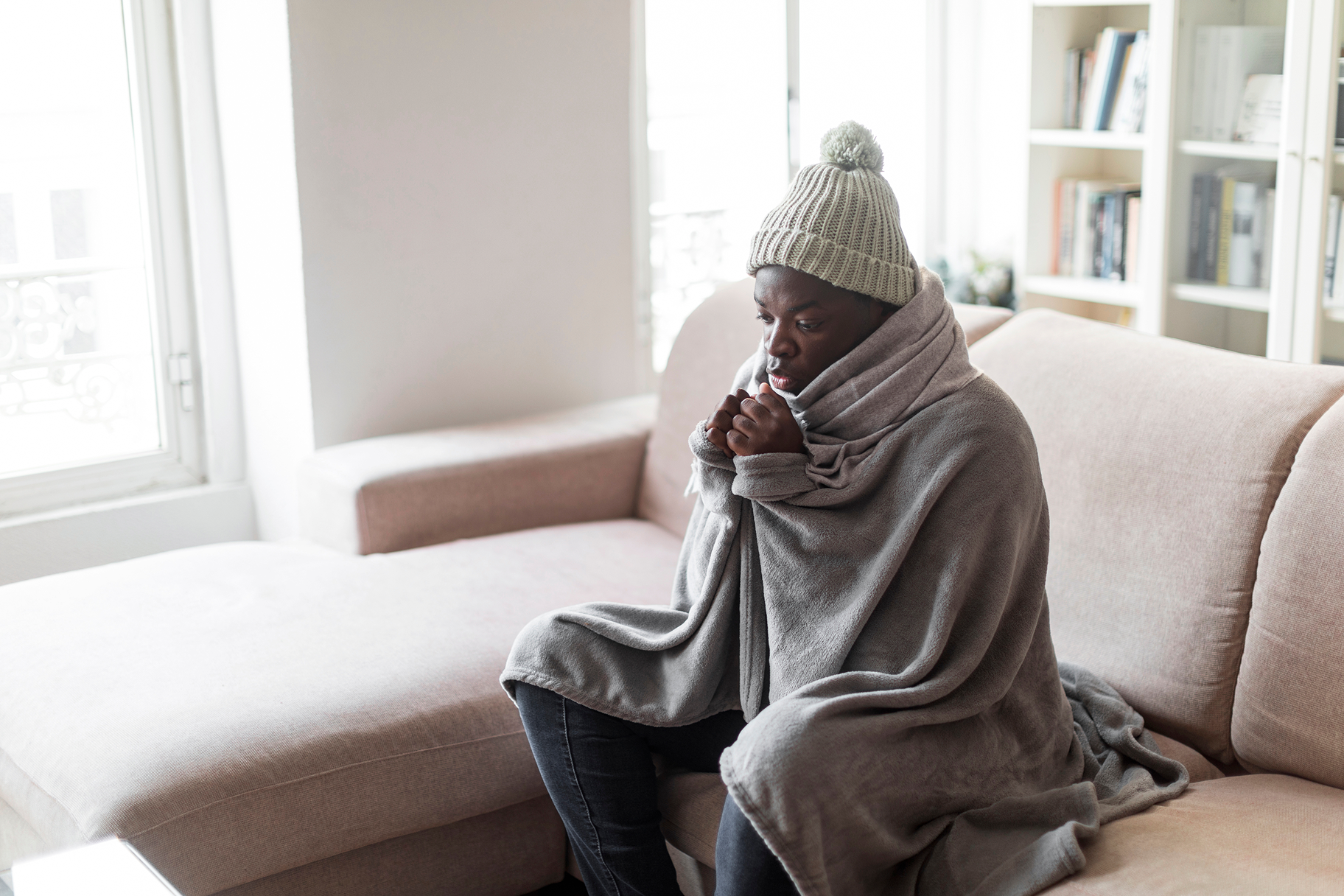
As the temperature drops in Chicago and the winter winds start howling, you might be finding yourself reaching for the heating pad.
If you notice increased stiffness in your hips, knees, or hands when the weather turns cold, you aren't imagining it. There is real science behind the link between winter weather and joint pain. The good news? You don't have to hibernate until spring to find relief.
The Science: Why Does Winter Hurt?
While the exact mechanisms are still being studied, orthopedic experts generally agree on a few key factors that turn the winter season into "ache season."
1. The Barometric Pressure EffectThe strongest link between weather and pain isn't actually the temperature—it's the barometric pressure. Barometric pressure is the weight of the atmosphere pressing down on us.
When a storm system or a cold front moves into the Midwest, barometric pressure typically drops. Your joints contain sensitive nerves and sensory receptors. Many researchers believe that when the external pressure drops, the tissues inside your body (including tendons, muscles, and scar tissue) slightly expand. This expansion creates pressure within the confined space of the joint, irritating the nerves and causing pain.
Think of it like a balloon in a vacuum chamber; as the pressure outside the balloon drops, the balloon expands. Your joints react similarly on a micro-level.
2. Synovial Fluid ThicknessYour joints are lubricated by a substance called synovial fluid. This fluid acts like motor oil in your car’s engine, reducing friction and allowing bones to glide smoothly against one another.
Just as oil thickens in freezing temperatures, cold weather can cause your synovial fluid to become more viscous (thicker). This creates more friction within the joint, leading to that "stiff" feeling when you first try to move on a cold morning.
3. InactivityLet’s be honest: Chicago winters don’t encourage outdoor activity. When it’s 10 degrees outside, we tend to sit more, walk less, and stay indoors. Joints are designed to move; movement pumps nutrient-rich fluid into the cartilage. When we become sedentary, our joints stiffen up, creating a cycle of pain and inactivity.
Is It Arthritis or Just Cold?
Cold weather affects almost everyone to some degree, but it hits those with arthritis the hardest.
- Osteoarthritis: The wearing down of cartilage leaves nerves more exposed to pressure changes.
- Rheumatoid Arthritis: An autoimmune condition where weather changes can trigger inflammation flare-ups.
- Old Injuries: If you have had a past surgery, fracture, or sprain, the scar tissue and metal implants can react to cold and pressure differently than healthy bone, causing localized aching.
5 Tips to Winter-Proof Your Joints
You can’t control the weather, but you can control how your body reacts to it. Here are five tips from the MidAmerica Orthopaedics team to keep you moving this winter.
1. Layer Up (Even Indoors) Keeping your core and your joints warm is essential. If you have bad knees, consider wearing compression sleeves or thermal leggings under your pants. If your hands ache, wear gloves or mittens as soon as you step outside. Keeping the joint warm improves blood flow and keeps synovial fluid loose.
2. Motion is Lotion It’s tempting to curl up on the couch, but inactivity is the enemy. You don’t need to run a marathon in the snow. Try low-impact indoor activities like:
- Stationary cycling.
- Yoga or stretching routines.
- Walking laps at an indoor mall or track.
- Swimming in a heated pool (the warm water is excellent for arthritis).
3. Stay Hydrated In the summer, we drink water because we’re hot and sweating. In the winter, we often forget. However, dehydration can increase sensitivity to pain. Staying hydrated helps maintain the volume and quality of the synovial fluid in your joints.
4. Vitamin D Supplements Chicagoans are notorious for Vitamin D deficiency in the winter due to the lack of sunlight. Low Vitamin D levels are linked to bone pain and muscle weakness. Consult your physician about adding a supplement to your daily routine.
5. Heat Therapy For winter stiffness, heat is usually better than ice. A warm bath, a heating pad, or a paraffin wax dip for hands can do wonders to relax muscles and soothe stiff joints before you start your day.
When to See a Specialist
While some weather-related achiness is normal, persistent pain is not. You should schedule an appointment at MidAmerica Orthopaedics if:
- Your joint pain prevents you from sleeping.
- You are limping or changing the way you walk to avoid pain.
- You experience new swelling or redness around a joint.
- Home remedies like stretching and over-the-counter anti-inflammatories are no longer working.
Don’t Let Winter Win At MidAmerica Orthopaedics, we specialize in helping patients manage arthritis and joint pain so they can enjoy their lives year-round. From non-invasive treatments like injections and physical therapy to advanced joint replacement solutions, we have a plan that fits your needs.
Ready to thaw out your joints? Schedule an appointment today at our Palos Hills or Mokena locations and take the first step toward a pain-free winter.
